How You Think About Pain Matters
Article by Martin Davies
Pain is personal. Everyone’s experience is different, and the way we understand pain is evolving. The goal of this article is to introduce a few modern concepts that are reshaping how we manage pain. While the physiology and physical aspects of pain are fairly well understood, there’s growing potential for breakthroughs through a better grasp of the psychology of pain — how our thoughts, beliefs, and context influence what we feel.

Pain as a Perceived Threat
One of the foundational concepts is that pain is interpreted by the brain as a signal of threat. In other words, when your body sends a painful stimulus, your brain evaluates whether that stimulus implies danger, and then constructs the pain experience accordingly.
The risk comes when we amplify the perceived threat beyond what is warranted. For example: if you feel knee pain and you know someone (a friend or family member) who had a serious, complicated knee injury or surgery, your brain might “warn” you more harshly — elevating your pain level — compared to someone who doesn’t have that prior fearful association.
This doesn’t mean the pain is imaginary or made-up. It means that part of pain management involves examining that threat‑level judgment: is the signal really as dangerous as your brain is assuming? If you can recalibrate the perceived threat, you may reduce your suffering.
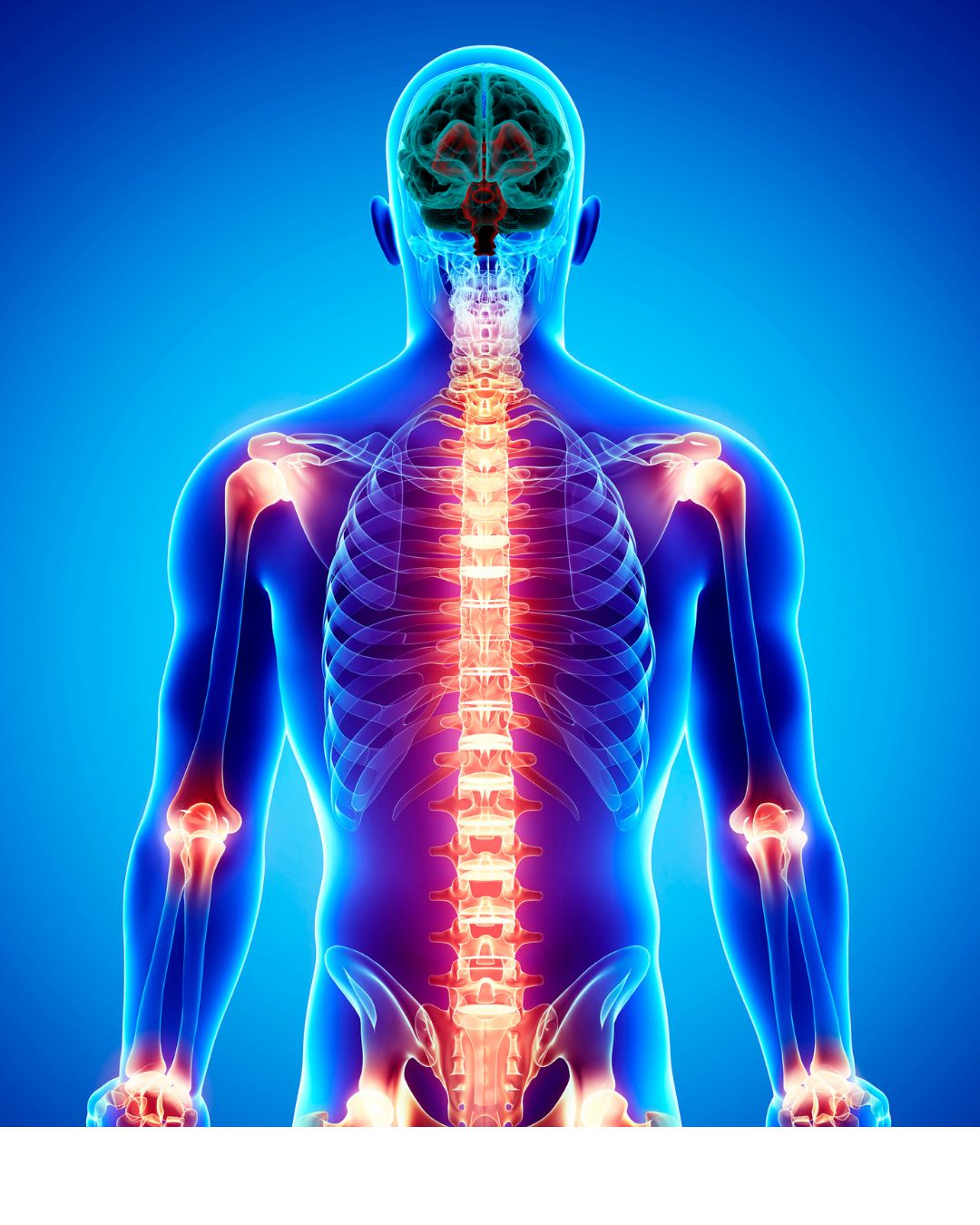
The Role of Context
The second concept deals with context — where you are, what you're doing, what you expect, and what you're thinking — and how it shapes pain.
Here’s a comparison I like: when I used to play rugby, I'd take a heavy hit and get up, brush myself off, and continue playing. But imagine taking exactly the same hit (same force, same motion) in a grocery store. Suddenly it feels much worse. Not because the tissues are different, but because the context is. The meaning, surroundings, expectations — they all influence how the brain “reads” the signal.
This is exciting, because context is something we have some influence over. By changing environment, attention, beliefs, or expectations, we can sometimes modulate pain even when the underlying injury is the same.
These two ideas (threat interpretation and context) are just the tip of the iceberg. The “thinking side” of pain is a rich and rapidly advancing field. The next time you or someone you care about experiences pain, I encourage you to dig deeper into these ideas. Talking with a physiotherapist who uses modern pain science can be very helpful.

Recommended Resources
- TEDx Adelaide: “Why Things Hurt” by Lorimer Moseley — a great talk exploring how pain is constructed by the brain.
- Explain Pain — a readable, insightful book that bridges neuroscience and clinical practice.
Book Details: Explain Pain
- Title: Explain Pain
- Authors: David S. Butler & G. Lorimer Moseley Canadian Medical Store+2optp.com+2
- Publisher: Noigroup
- Edition / Year: Second Edition, 2013
- Length: ≈ 130 pages Canadian Medical Store+1
The book does an excellent job of explaining how pain works — how the brain, nervous system, beliefs, and context all interplay to produce what we feel.
You May Also Like...
-
 ArticleView Post
Treating Ankle Sprains With Physiotherapy
Ankle sprains are pretty common, right? So do you even need to look for treatment for your ankle sprain?
-
 ArticleView Post
Understanding Hypermobility
While some individuals may naturally possess hypermobile joints without adverse effects, others may experience symptoms that require attention.
-
 ArticleView Post
Should You Apply Heat or Ice to an Injury?
Heat or ice? Here we take a look at one of the most common questions we hear to determine what's most appropriate for your injury.