The Benefits of Manual Therapy: Much More Than Musculoskeletal Health
Manual therapy is often seen as a treatment for stiff joints, tight muscles, or post-injury recovery. While those benefits are well-documented, what many don’t realize is that the power of manual therapy extends far beyond bones and muscles.

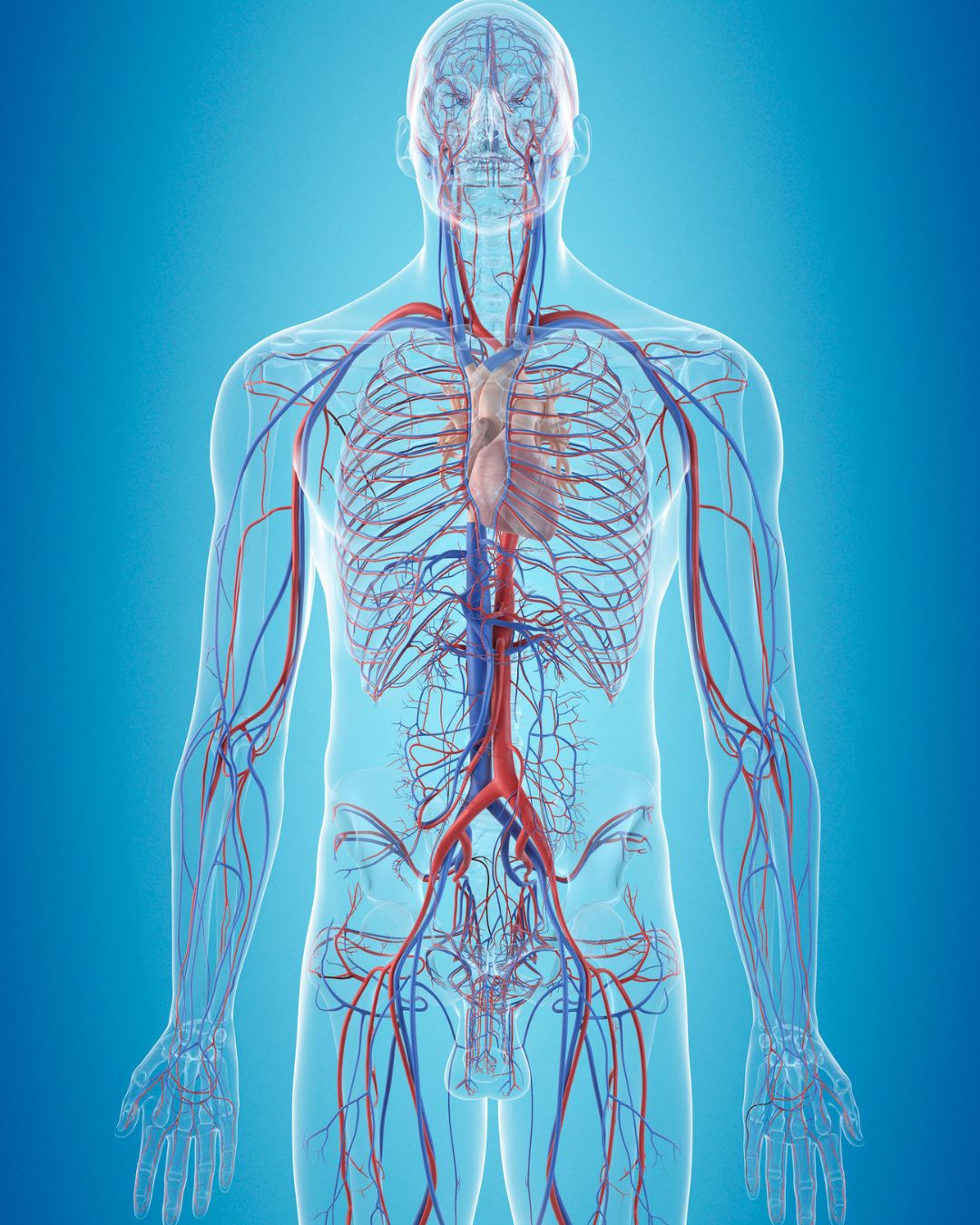
Touch-based therapies can positively influence nearly every major system in the body—from cardiovascular to digestive, from emotional and social to immune health.
Let’s explore how manual therapy, through skilled and intentional touch, contributes to whole-body wellness.
1. Nervous System: Restoring Balance and Calm
Manual therapy directly impacts the central and autonomic nervous systems, particularly through stimulation of the vagus nerve—a key player in the body's "rest and digest" response.
Research-backed benefits include:
- Calms the brain's threat response: Touch reduces the brain’s stress signals, making the body feel safe.
- Regulates the nervous system: Helps shift from fight-or-flight to parasympathetic (restorative) states.
- Improves emotional regulation: Enhances emotional stability and resilience.
- Reduces anxiety and depression symptoms: Particularly effective in chronic pain populations.
2. Cardiovascular System: Heart-Healthy Touch
Physical touch isn’t just comforting—it can also benefit heart health.
- Lowers blood pressure: Gentle contact like hugging or therapeutic massage can significantly reduce blood pressure.
- Decreases heart rate: Slowing the heartbeat promotes relaxation and reduces cardiovascular strain.
One study even showed that frequent hugging in women correlated with lower heart rates and blood pressure, underscoring the impact of nurturing touch on heart health.
3. Immune and Lymphatic Systems: Stronger Defense
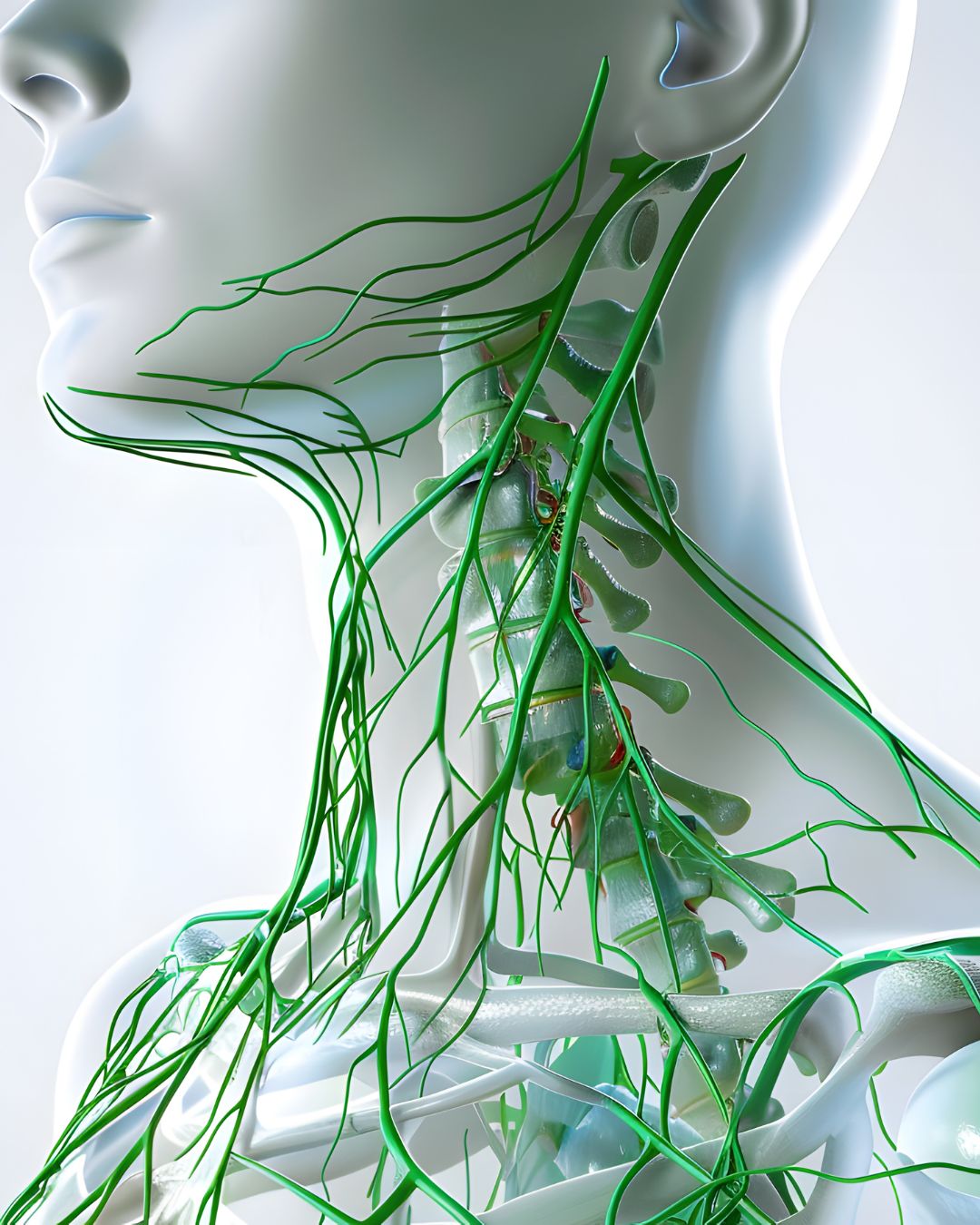
Manual therapy enhances immune function in multiple ways, particularly through techniques like Manual Lymphatic Drainage (MLD). MLD helps move lymph fluid, which carries immune cells, toward the heart for efficient filtering.
Touch improves immunity by:
- Stimulating lymph flow: Supports detoxification and removes cellular waste.
- Reducing inflammation: Especially important in chronic inflammatory conditions.
- Enhancing white blood cell activity: Boosts the body’s ability to fight infection.
- Reducing stress hormones (like cortisol): High stress is a known immune suppressant.
Massage and therapeutic touch can even influence hormones like oxytocin, which plays a role in wound healing and immune regulation.
4. Endocrine System: Hormonal Harmony
The endocrine system, responsible for producing and regulating hormones, is another indirect beneficiary of manual therapy.
- Increases “feel-good” hormones: Oxytocin, dopamine, and serotonin rise with therapeutic touch.
- Lowers cortisol: The body’s main stress hormone, often elevated in people with pain or anxiety, is decreased.
- Promotes relaxation and emotional well-being, which supports hormonal balance overall.
5. Digestive System: Supporting the Gut-Brain Connection
Manual therapy can aid digestion through vagus nerve stimulation and abdominal massage techniques.
Benefits include:
- Improved digestion and motility: Encourages regular bowel movements and reduces bloating.
- Alleviates digestive discomfort: Especially useful for those with IBS, constipation, or gas.
- Reduces stress-related gut issues: Chronic stress negatively impacts digestion—manual therapy helps by reducing cortisol.
- Enhances nutrient absorption: Better circulation to digestive organs supports efficient function.
- May support gut microbiome health: Physical contact and emotional well-being are increasingly linked to microbiome diversity.
6. Musculoskeletal System: The Foundation of Movement
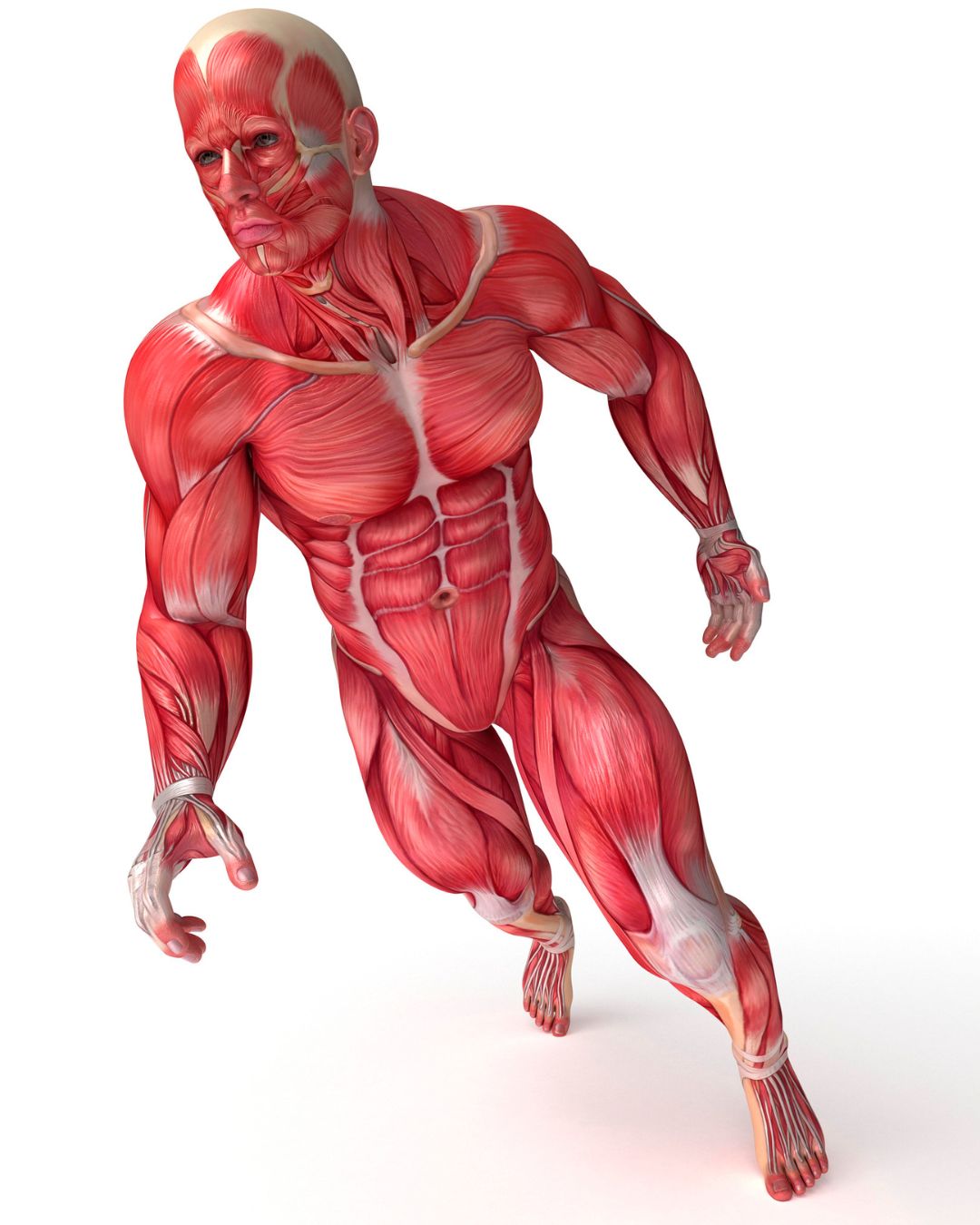
While not the only system affected, the muscular and skeletal systems still see significant gains from manual therapy:
- Relieves muscle tension and spasms
- Increases joint mobility and flexibility
- Enhances circulation and lymphatic drainage
- Speeds healing of soft tissue injuries
- Reduces pain and stiffness
This is especially important for those recovering from injury, surgery, or managing chronic pain conditions like arthritis or fibromyalgia.
7. Skin and Connective Tissue: Healing from the Outside In
Manual therapy benefits the integumentary system—your skin and fascia—by improving both texture and healing.
- Improved skin tone and elasticity
- Exfoliation and circulation boost
- Faster healing of scars and injured tissue
- Breakdown of adhesions and improved fascial glide
Touch not only nourishes the skin externally but also supports the connective tissue beneath.
8. Sleep, Mood & Cognitive Function: Restoring Whole-Person Health
The cumulative effects of manual therapy help reset the body’s internal rhythms, promoting better rest and sharper cognition.
- Improves sleep quality
- Reduces stress and mental fatigue
- Supports cognitive performance through vagal stimulation
- Promotes emotional well-being and mood stability
By calming the body, manual therapy frees up mental bandwidth for focus, creativity, and memory.
Final Thoughts: Manual Therapy Is Whole-Body Medicine
What starts as a touch to the muscles can ripple through every system in the body. From reducing stress hormones and supporting digestion to improving heart health and enhancing immunity, manual therapy is more than just musculoskeletal care—it’s holistic medicine rooted in human connection.
Ready to Experience the Benefits?
Whether you're recovering from injury, managing chronic stress, or simply looking to improve your overall wellness, manual therapy offers a gentle yet powerful way to restore balance in body and mind.
References
Field, T. (2010). Touch for socioemotional and physical well-being: A review. Developmental Review, 30(4), 367–383. https://doi.org/10.1016/j.dr.2011.01.001
Light, K. C., Grewen, K. M., & Amico, J. A. (2005). More frequent partner hugs and higher oxytocin levels are linked to lower blood pressure and heart rate in premenopausal women. Biological Psychology, 69(1), 5–21. https://doi.org/10.1016/j.biopsycho.2004.11.002
Moraska, A., Pollini, R. A., Boulanger, K., Brooks, M. Z., & Teitlebaum, L. (2010). Physiological adjustments to stress measures following massage therapy: A review of the literature. Evidence-Based Complementary and Alternative Medicine, 7(4), 409–418. https://doi.org/10.1093/ecam/nen029
Uvnäs-Moberg, K., Handlin, L., & Petersson, M. (2015). Self-soothing behaviors with particular reference to oxytocin release induced by non-noxious sensory stimulation. Frontiers in Psychology, 5, 1529. https://doi.org/10.3389/fpsyg.2014.01529
Rapaport, M. H., Schettler, P., & Bresee, C. (2010). A preliminary study of the effects of a single session of Swedish massage on hypothalamic–pituitary–adrenal and immune function in normal individuals. Journal of Alternative and Complementary Medicine, 16(10), 1079–1088. https://doi.org/10.1089/acm.2010.0015
Bialosky, J. E., Bishop, M. D., & George, S. Z. (2009). The mechanisms of manual therapy in the treatment of musculoskeletal pain: A comprehensive model. Manual Therapy, 14(5), 531–538. https://doi.org/10.1016/j.math.2008.09.001
You May Also Like...
-
 ArticleView Post
How You Think About Pain Matters
Pain is personal. Everyone’s experience is different, and the way we understand pain is evolving. The goal of this article is to introduce a few modern concepts that are reshaping how we manage pain. While the physiology and physical aspects of pain are fairly well understood, there’s growing potential for breakthroughs through a better grasp of the psychology of pain — how our thoughts, beliefs, and context influence what we feel.
-
 ArticleView Post
Office Ergonomics & Improving Your Workspace
Ergonomics is the science of designing the workplace environment to fit the worker. By adjusting the workstation to the individual needs of the worker, many common injuries can be prevented.
-
 ArticleView Post
Acute Whiplash Injury Management
What is whiplash? Whiplash is an injury to your neck. It is caused by your neck bending forcibly forward and then backward, or vice versa.